Material and Technical Base
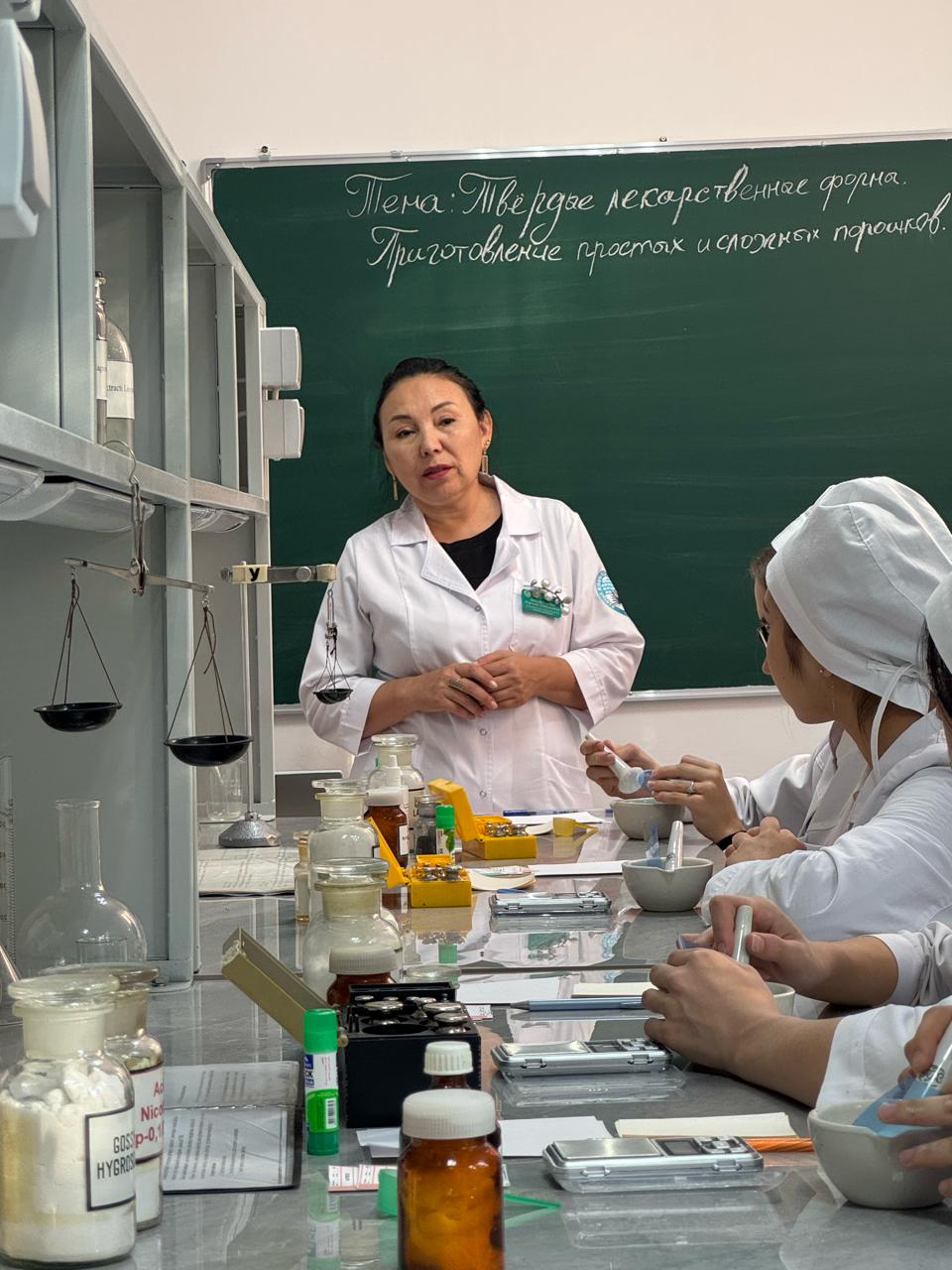
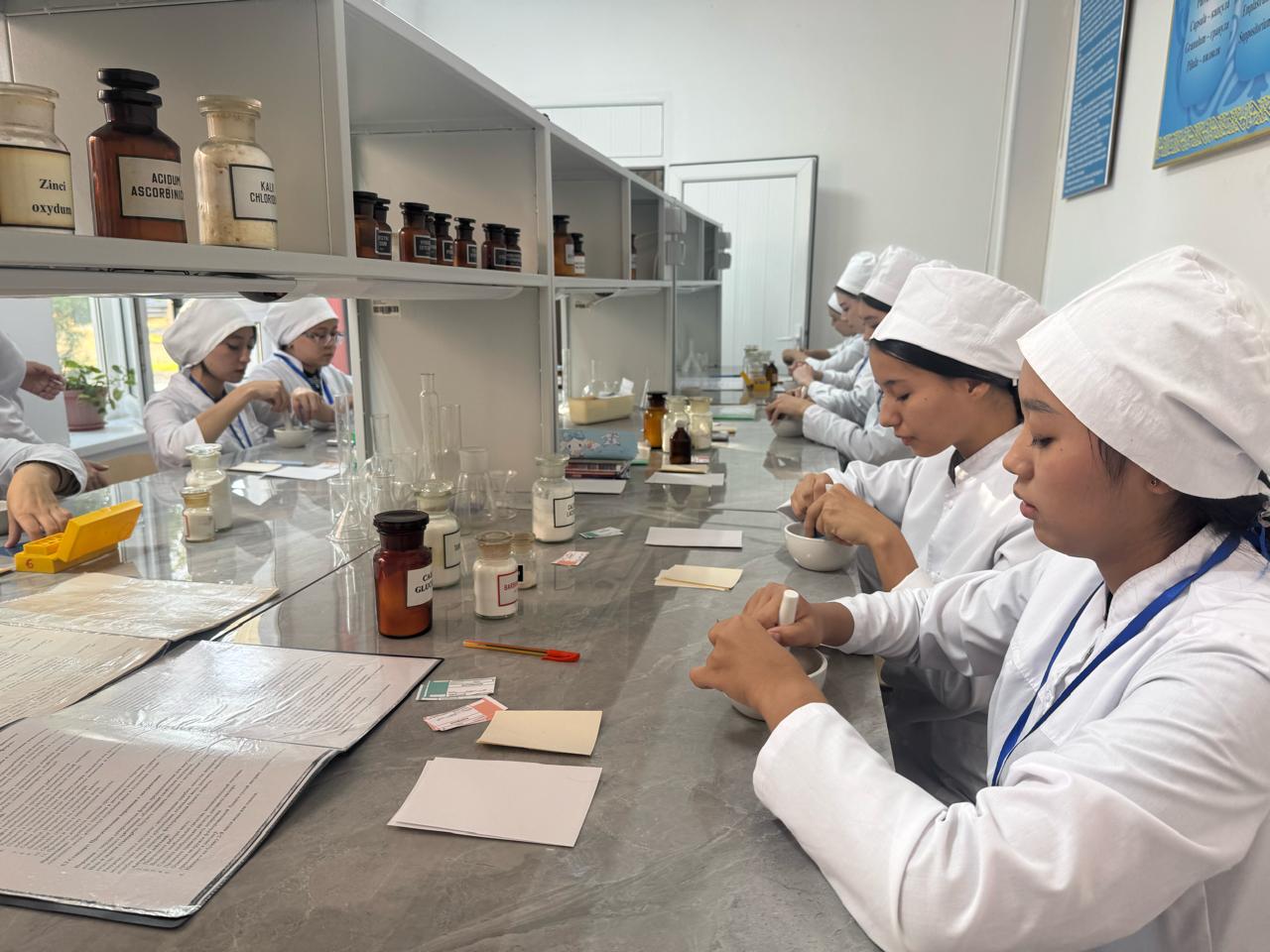
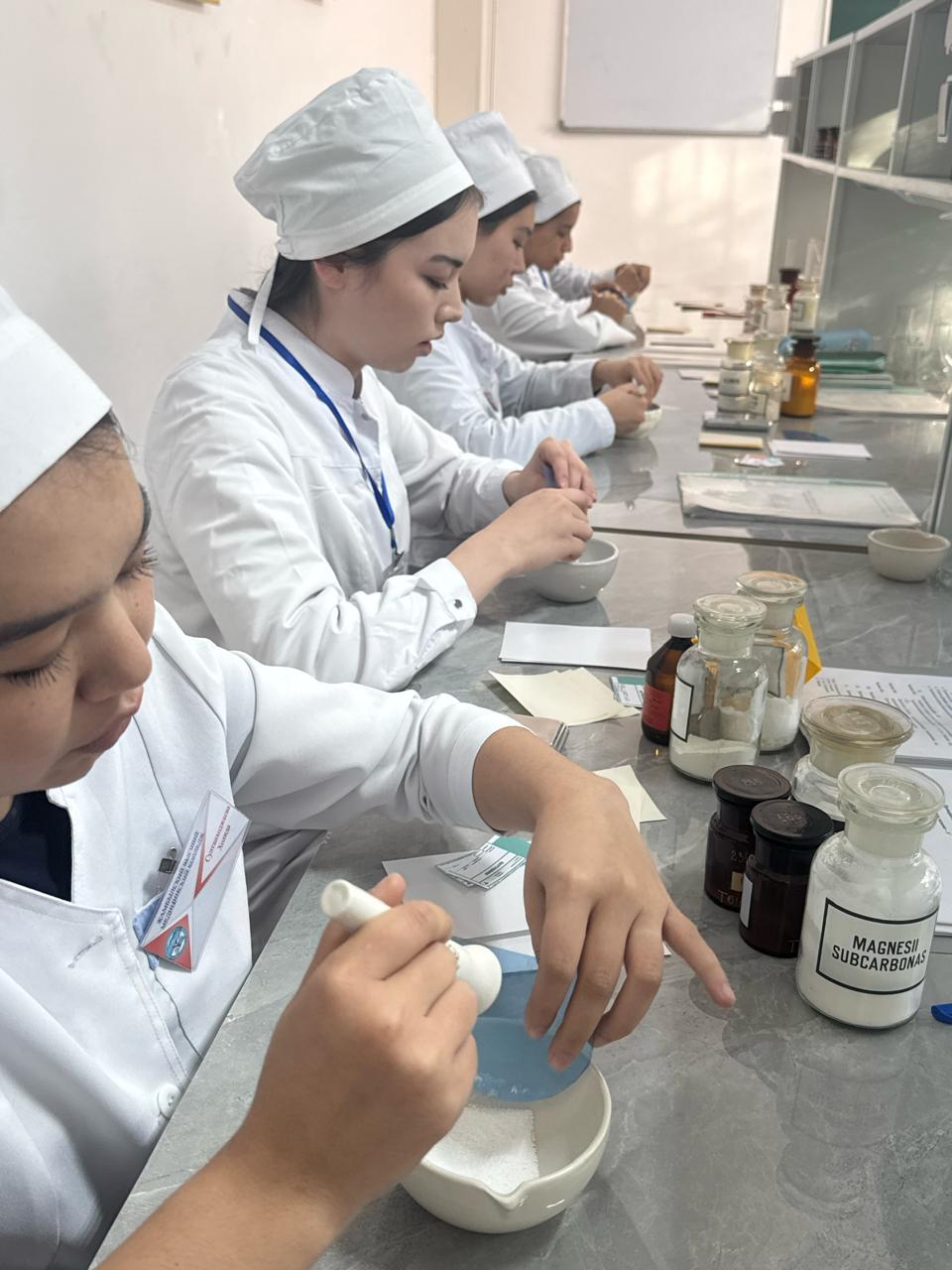
The material and technical base of the Zhambyl Higher Medical College is annually updated and improved in accordance with modern requirements. A comprehensive educational and production infrastructure has been formed, ensuring the full implementation of laboratory and practical classes предусмотренных by curricula, as well as all types of educational practice. All facilities fully comply with current sanitary standards and fire safety requirements.
An automated access control system for students, teachers, and staff operates continuously in the college buildings. To ensure security, turnstiles are installed, and entry and exit are carried out using FACE ID systems and ID cards.
All classrooms and laboratories approved by the educational standard are located in three academic buildings of the college. The composition and equipment of classrooms and laboratories fully meet state requirements.
The educational and production base of the college is located in buildings at 20 Nietkalieva Street (5-story building), 22 Pushkina Street (3-story building, since 2015), and 15B Rysbek Batyr Street (2-story building, since 2024). This base, expanding and improving annually, ensures a high level of organization of the educational process. Classrooms and laboratories are equipped with modern visual aids, methodological literature, technical teaching aids, and computer technologies. Modern computer classrooms with Internet access operate on a permanent basis.
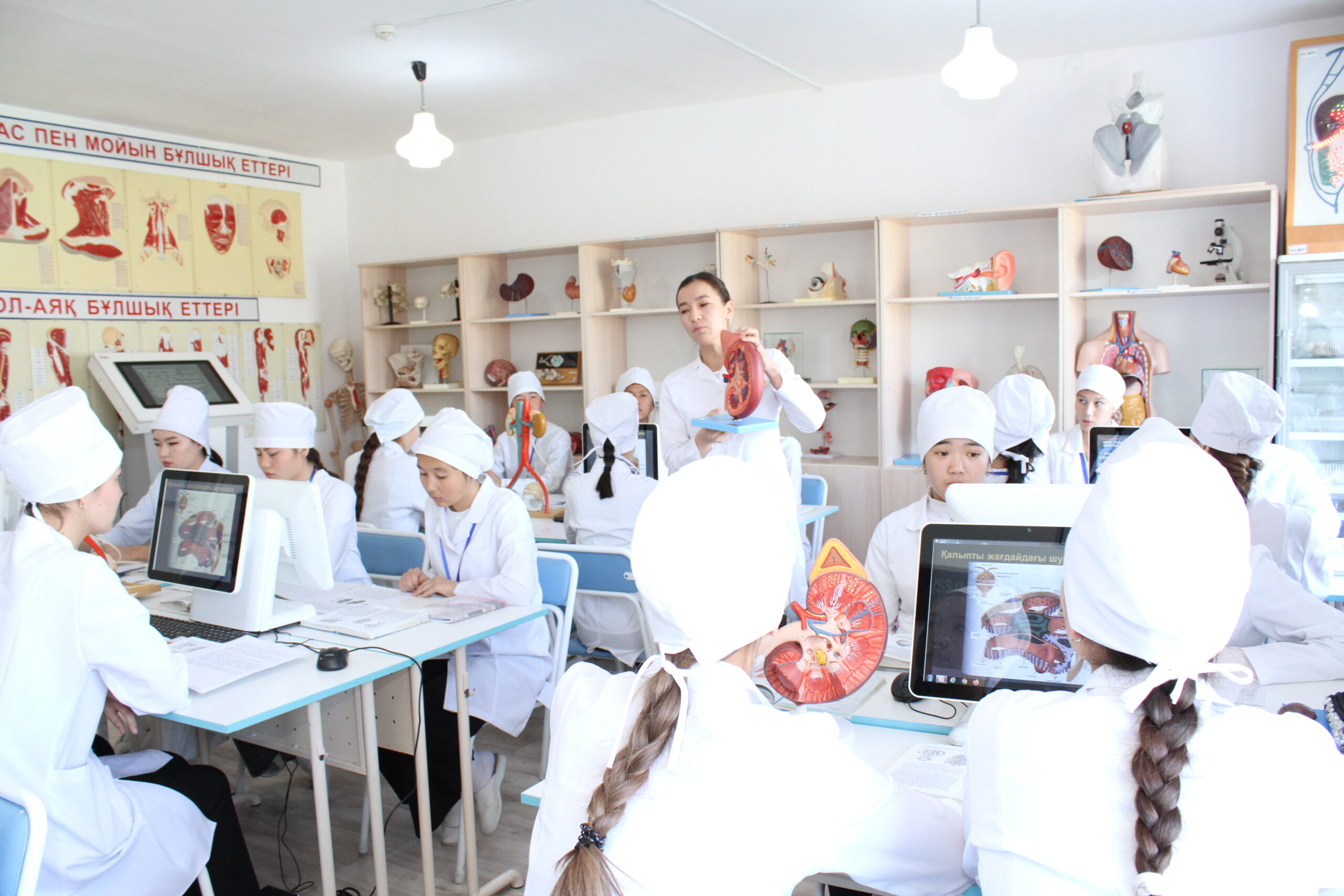
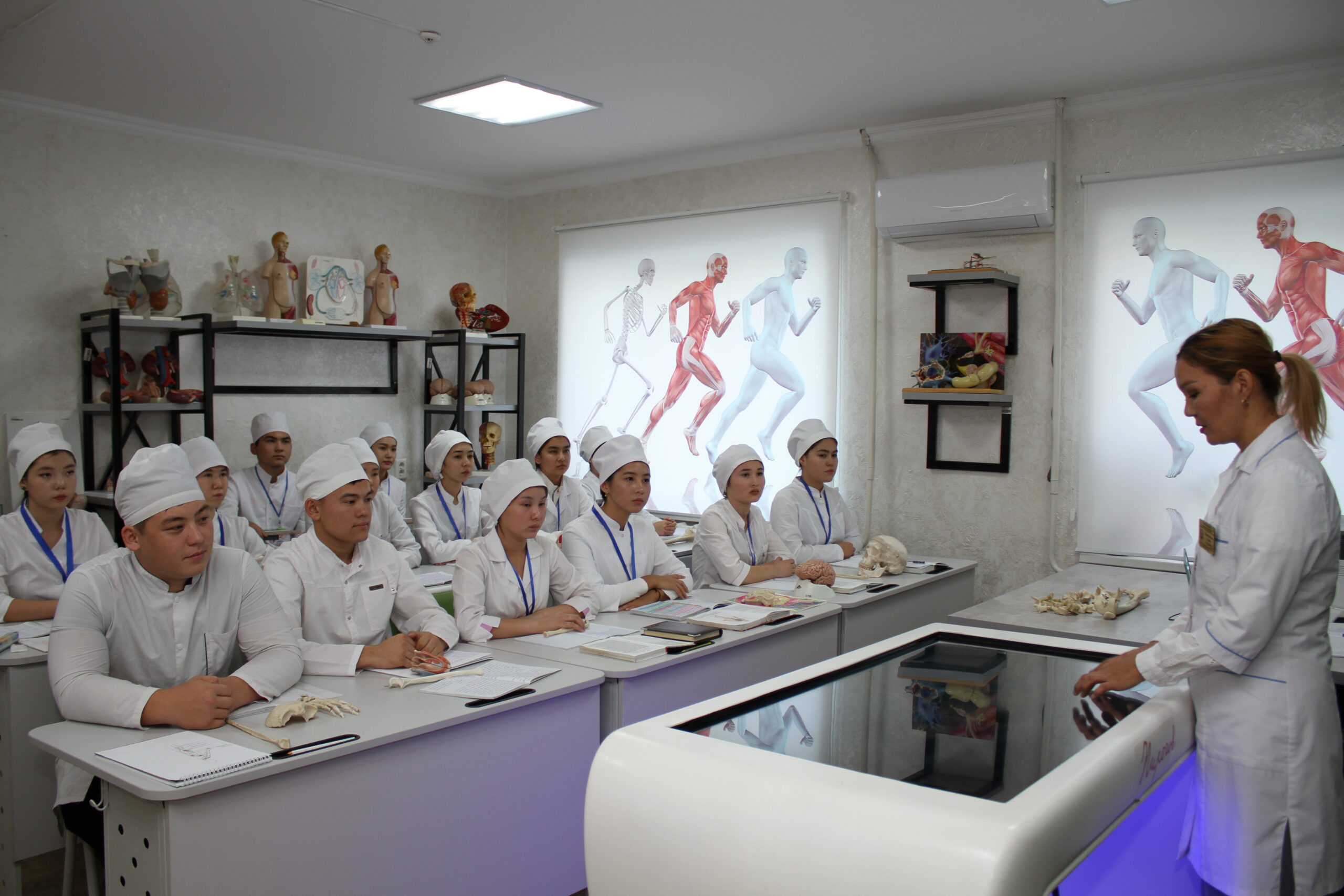
The total area of the building at 20 Nietkalieva Street is 5,852.1 m², at 24 Pushkina Street — 2,756.8 m², and at 15B Rysbek Batyr Street — 1,611.7 m². The design capacity of the college is 3,800 places. For the comprehensive development of students, the following facilities operate: 1 assembly hall, 1 multimedia hall, a buffet for 60 seats, a Coworking study hall, a library, the volunteer center “Zhurekten Zhurekke,” the “Rukhani Zhangyru” center, an electronic public services center, 34 classrooms, 53 educational and practical classrooms, including “Smart Anatomy” and physiology classrooms equipped with 3D learning devices, an OSKE station, a simulation center with 15 clinical stations, 5 laboratories, 5 computer classrooms, an IT classroom, 2 language laboratories, 2 gymnasiums, the Pulse TV television studio, a shooting range, a college museum, a printing house, 2 medical stations, and a sports complex with football, volleyball, and basketball courts.
In addition, the “Green Pharmacy” greenhouse, a training pharmacy–phytobar, and a virtual reality (VR) skills development classroom operate. All classrooms and laboratories are equipped in accordance with current regulatory requirements of the Republic of Kazakhstan in the fields of healthcare and education. Simulation classrooms are equipped in accordance with Order No. 24 of the Ministry of Health of the Republic of Kazakhstan (2023), as well as the requirements recommended by the Union of Medical Colleges of Kazakhstan and the National Center for Independent Examination.
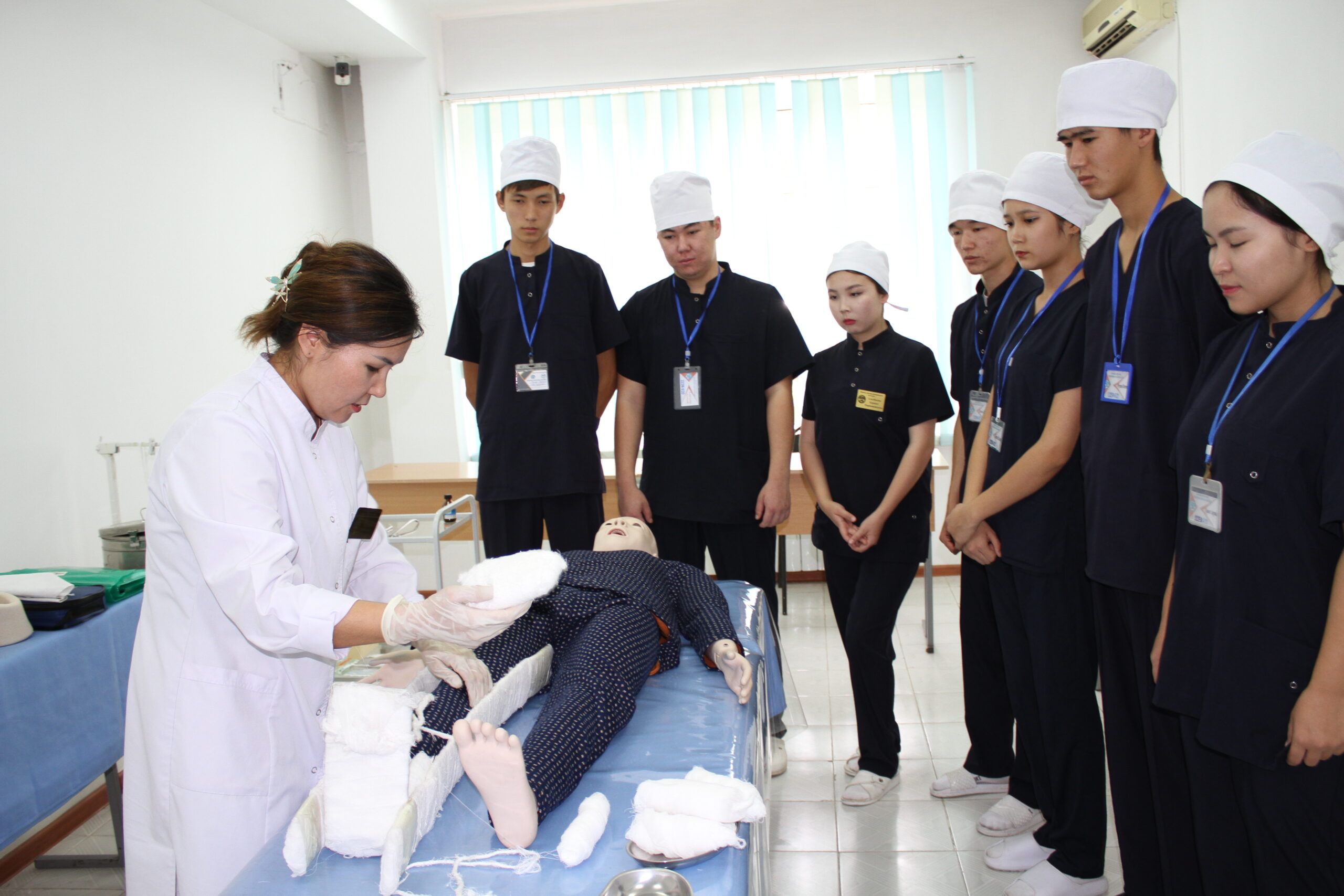
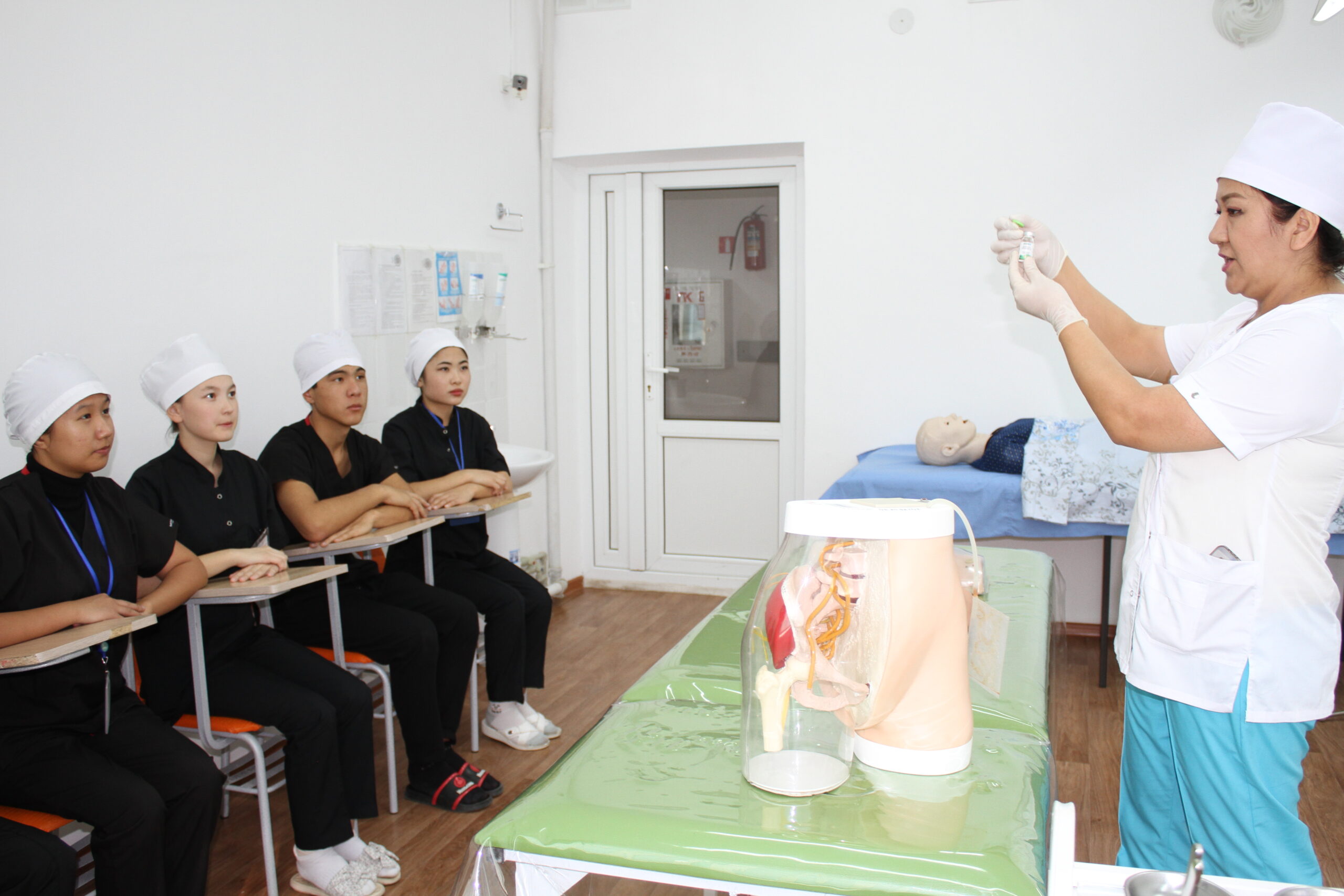
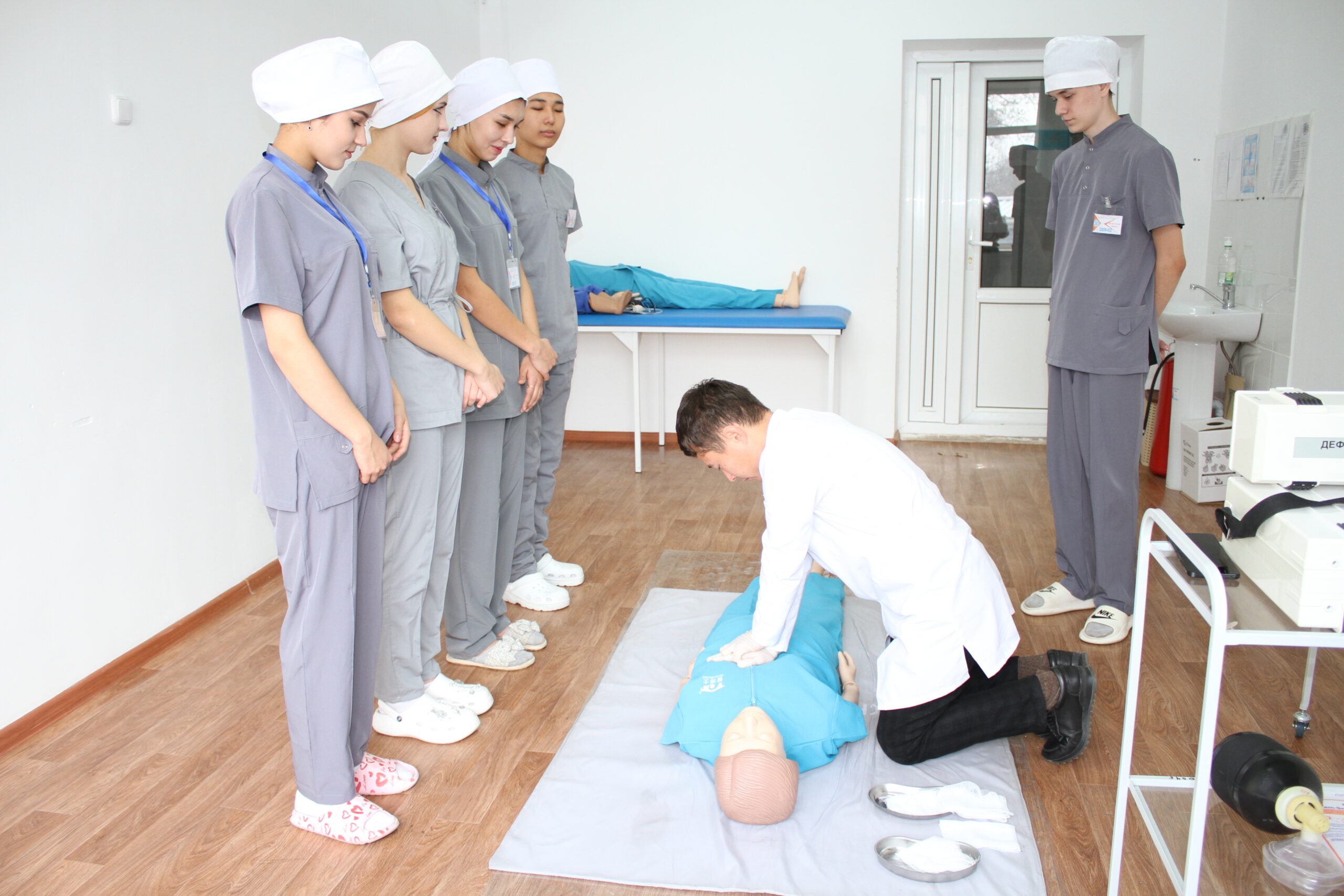
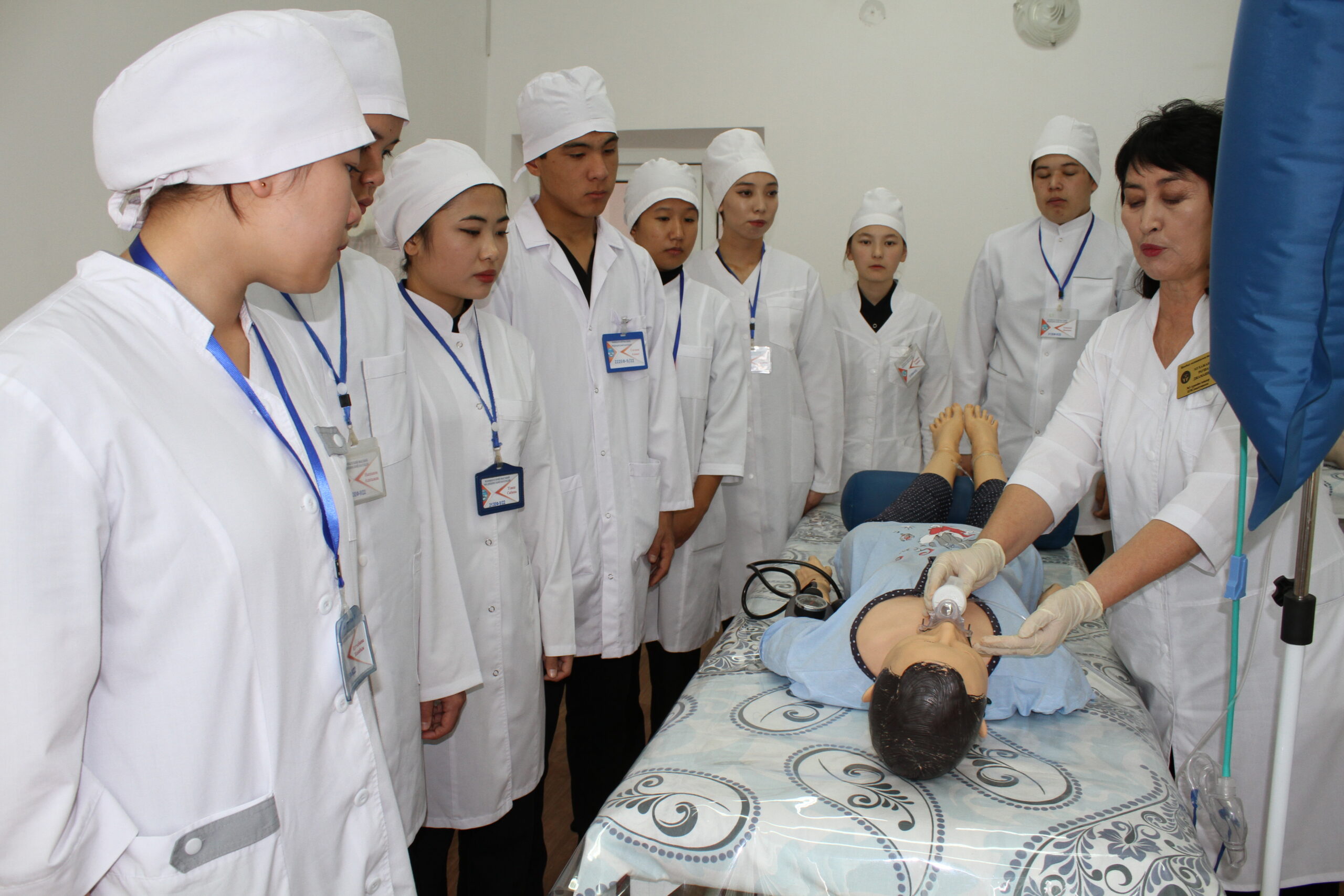
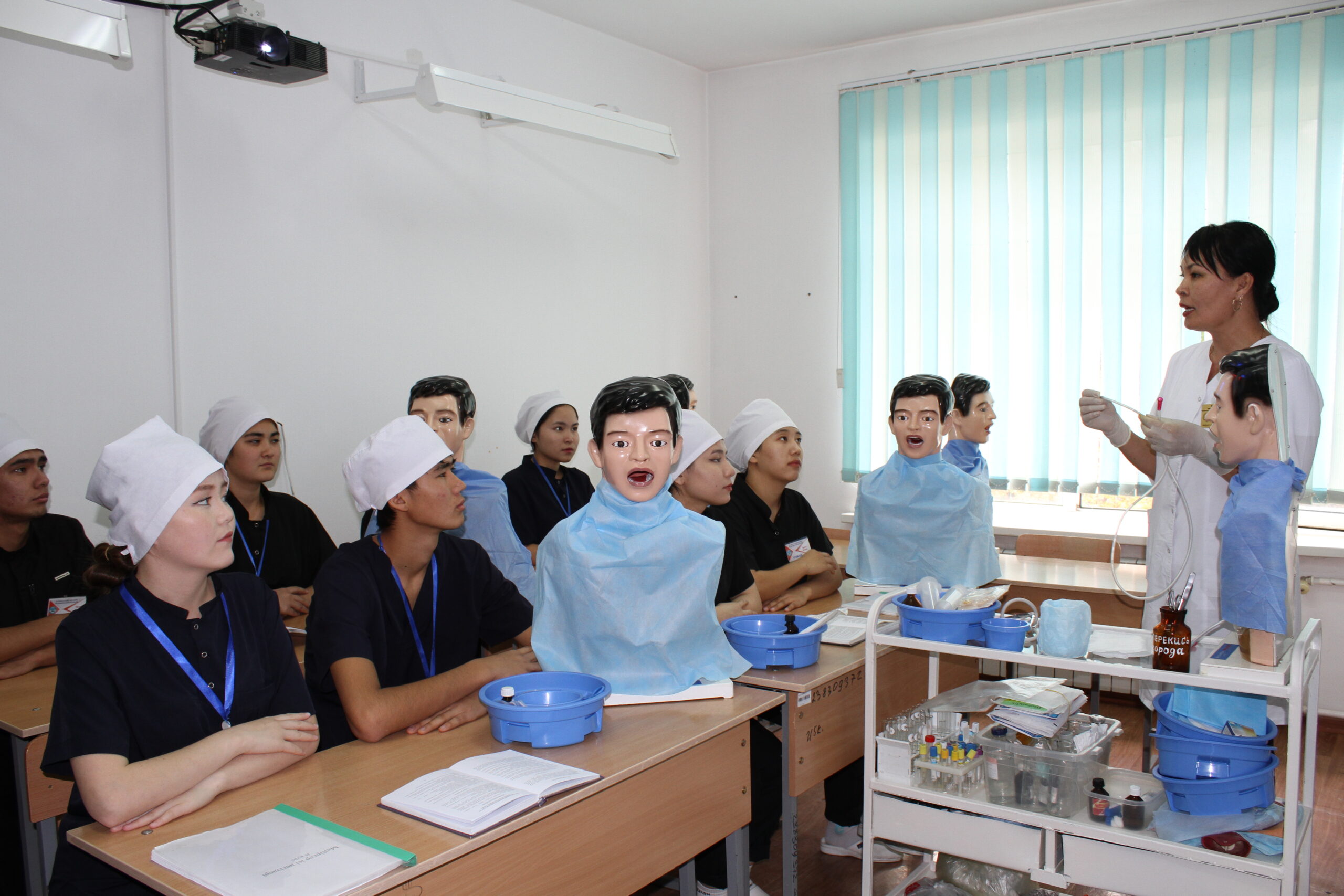
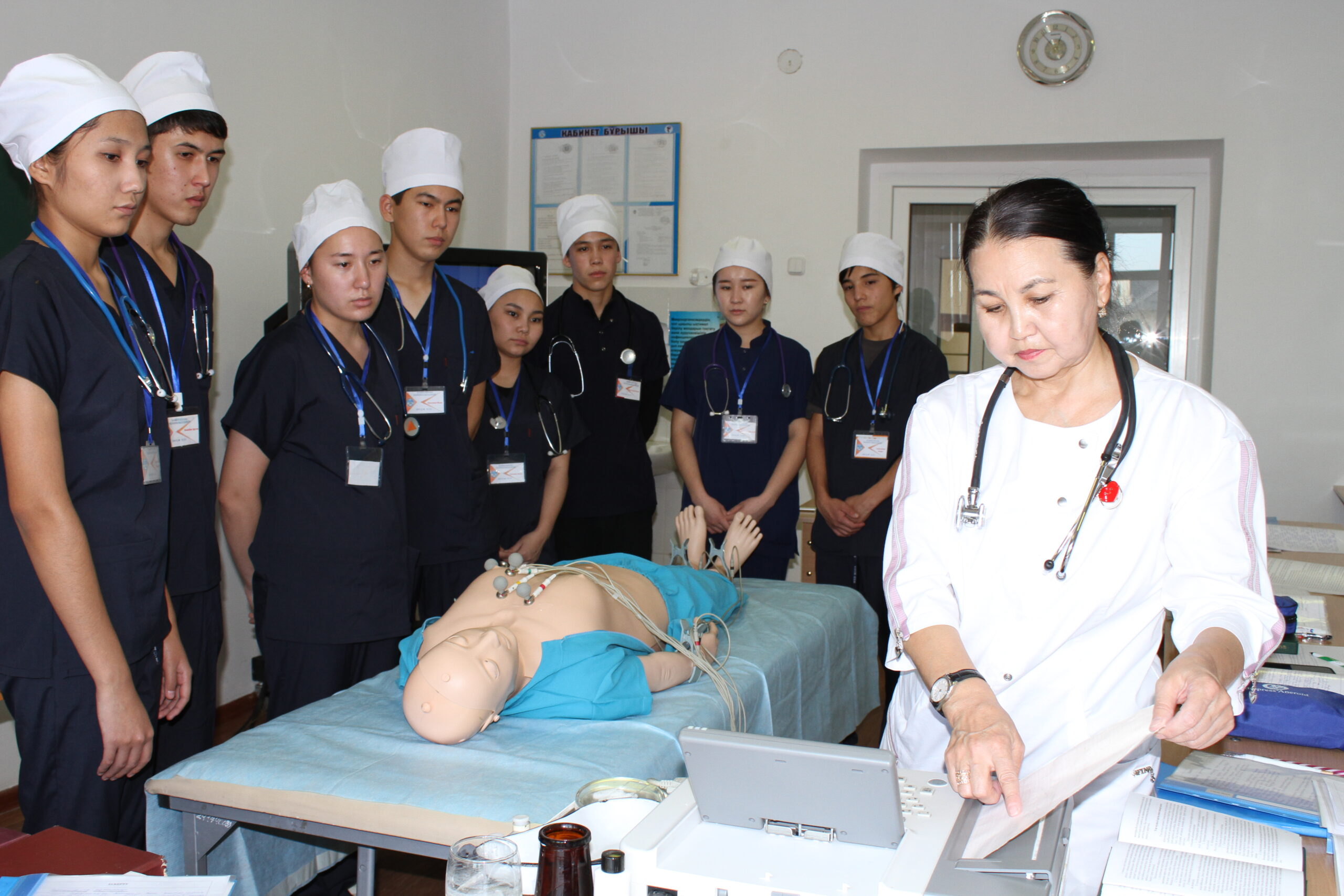
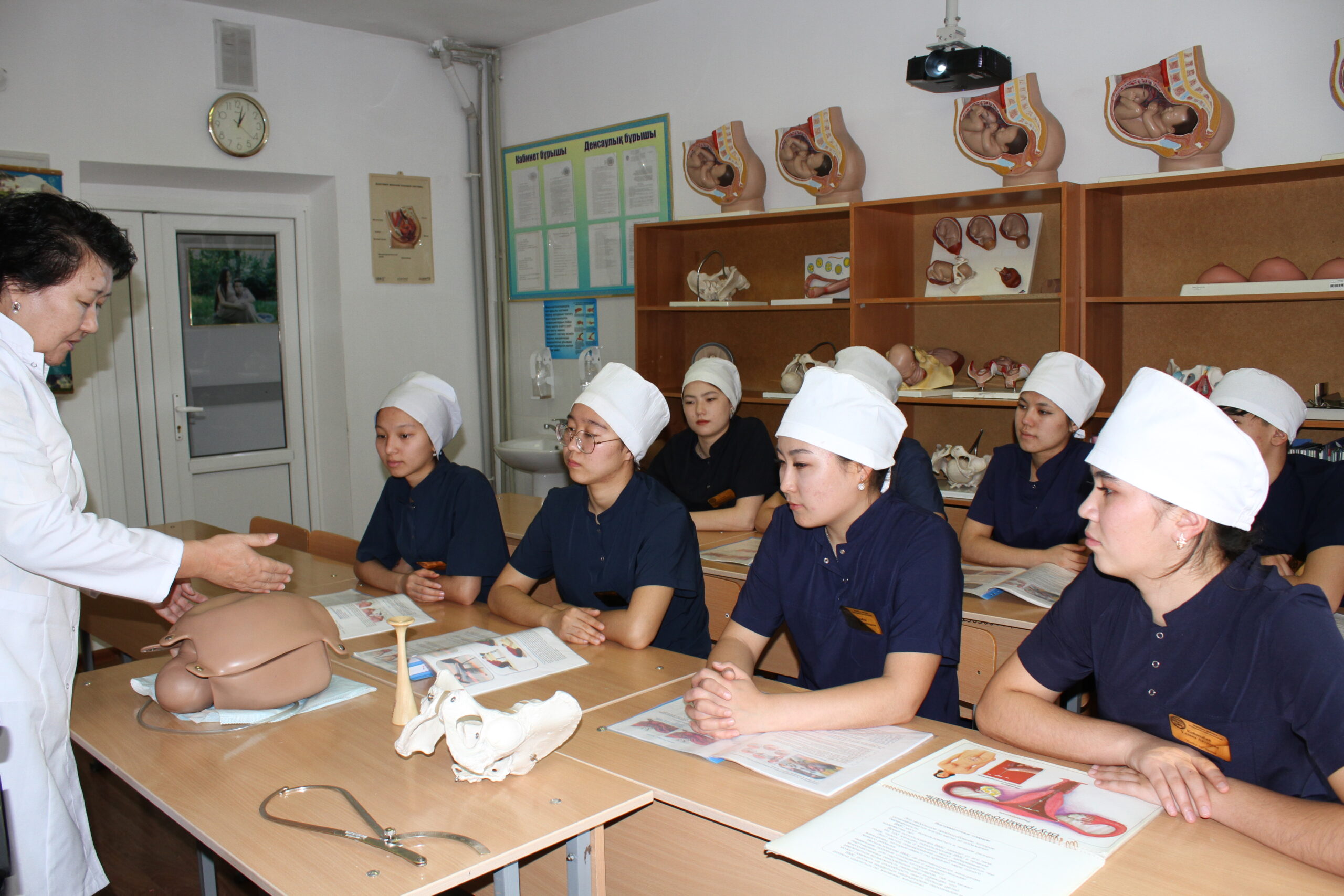
All conditions for effective student learning have been created here. Classrooms intended for the development of practical skills in specialized disciplines are equipped with robotic simulators, mannequins for practicing bandaging, cardiopulmonary resuscitation, and surgical skills, computer simulators, multifunctional resuscitation beds, simulation devices for childbirth and newborn care. All teaching tools are aimed at developing students’ professional competencies.
The necessary documentation is maintained in classrooms: classroom passports, work plans, permits for conducting classes, and relevant logs. Planned practical classes are conducted in the three academic buildings of the college, while industrial and professional practice is carried out in clinical institutions on the basis of agreements. Furniture and equipment are provided in accordance with Order No. 97 of the Ministry of Education and Science of the Republic of Kazakhstan (2012) for technical and vocational education organizations.
In order to meet the requirements of the state compulsory education standard, all professional modules and industrial training are fully provided with modern equipment.
Simulation-Based Training
The Regional Simulation Center of the Zhambyl Higher Medical College was opened in 2015 and at the initial stage performed the function of conducting certification of doctors and mid-level medical specialists. Currently, the center has become the main platform for assessing the professional training of college students. Every year, students undergo final state certification, the second stage of which involves assessment of practical skills in the simulation center, conducted at five specially developed stations.
The main goal of the college is to train qualified and professionally competent specialists for the healthcare system. Simulation-based training plays a special role in achieving this goal. Simulation-based training is an educational technology that combines theory with practice by modeling real clinical situations using modern phantoms, mannequins, models, simulators, and other teaching tools. This method allows students to master professional skills in conditions as close as possible to real clinical practice, without risk to the patient.
The college operates 15 simulation classrooms equipped in accordance with modern requirements. They are furnished with multifunctional models, interactive phantoms, robotic simulators, and equipment for reproducing real clinical processes. The simulation center includes the following training stations:
- “Pre-hospital Medical Care for Trauma”
- “Communication Skills: Explaining Medical Procedures”
- “Procedural Skills”
- “Provision of Pre-hospital Care for Shock Conditions”
- “Emergency Pre-hospital Care for Sudden Cardiac Arrest”
In these classrooms, instructors conduct practical classes based on action algorithms. Each student has the opportunity to repeatedly practice the necessary skills, correctly assess clinical situations, and provide care in accordance with standards. In addition, the second stage of the independent assessment of students’ knowledge is conducted annually in these simulation classrooms. This allows for an objective, accurate, and internationally compliant assessment of the level of professional training of future medical specialists.